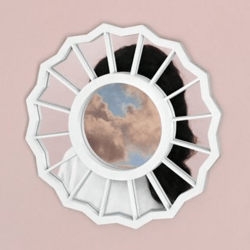
Mac Miller | 2016
Genre: Hip Hop, R&B, Jazz Rap, Neo Soul
Author: Jin Huh
With The Divine Feminine, Mac Miller moves away from the darker, more introspective sound of his earlier work and instead builds an album around love, intimacy, and vulnerability. Released in 2016, the album presents romance less as a simple subject and more as an atmosphere, using warm production, jazz-influenced instrumentation, layered vocals, and a slower pace throughout. Its title reflects Miller’s interest in femininity and the emotional energy associated with it, while the album itself explores attraction, uncertainty, intimacy, and the ways relationships can reshape an individual. Rather than treating vulnerability as weakness, Miller makes it central to his artistic identity.
The production is what gives The Divine Feminine much of its identity. Horns, strings, keyboards, guitar, and layered vocals often take as much importance as the drums, creating a sound that sits somewhere between hip hop, R&B, jazz, and neo soul. This musical shift also changes Miller’s role as a performer. He raps less aggressively and increasingly relies on melody and singing, making the album feel more intimate than his earlier work. The featured artists, including Anderson .Paak, Kendrick Lamar, CeeLo Green, and Ariana Grande, further expand this sound without making the album feel like a collection of unrelated collaborations. Instead, they contribute to a consistent atmosphere of warmth and emotional openness.
More importantly, The Divine Feminine represents a change in how Miller presented himself to his audience. Earlier in his career, his image was strongly associated with youthful hip hop and a more casual, carefree persona. Here, he allows himself to become considerably more vulnerable, creating music about emotional dependence and romantic connection without completely abandoning his identity as a rapper. The album therefore feels like a transition rather than a reinvention. Its focus on love also reflects a broader shift in contemporary hip hop, where artists increasingly blurred the boundaries between rap, R&B, and pop while using music to present more personal versions of themselves.
However, the album occasionally feels limited by its narrow focus. Its extended runtime on some tracks and repeated exploration of romance can make the concept feel less varied than its title suggests. Nevertheless, the consistency of its production prevents these weaknesses from becoming overwhelming. The Divine Feminine succeeds less through individual songs than through the world it creates, maintaining a warm and intimate atmosphere from beginning to end.
The Divine Feminine is significant because it captures Mac Miller expanding his understanding of what a hip hop artist could sound like. It is an album about love, but also about artistic freedom: Miller uses romance as a reason to experiment with jazz, soul, melody, and vulnerability. Rather than simply changing his sound, he expands the identity that his audience had already come to know, creating a more mature and emotionally open version of himself.
Favorite tracks: Congratulations (feat. Bilal), Dang! (feat. Anderson .Paak), Cinderella (feat. Ty Dolla $ign), We (feat. CeeLo Green)


Leave a comment